Systematically measure the socioeconomic and environmental barriers that affect a student's ability to learn — before they become failure statistics.
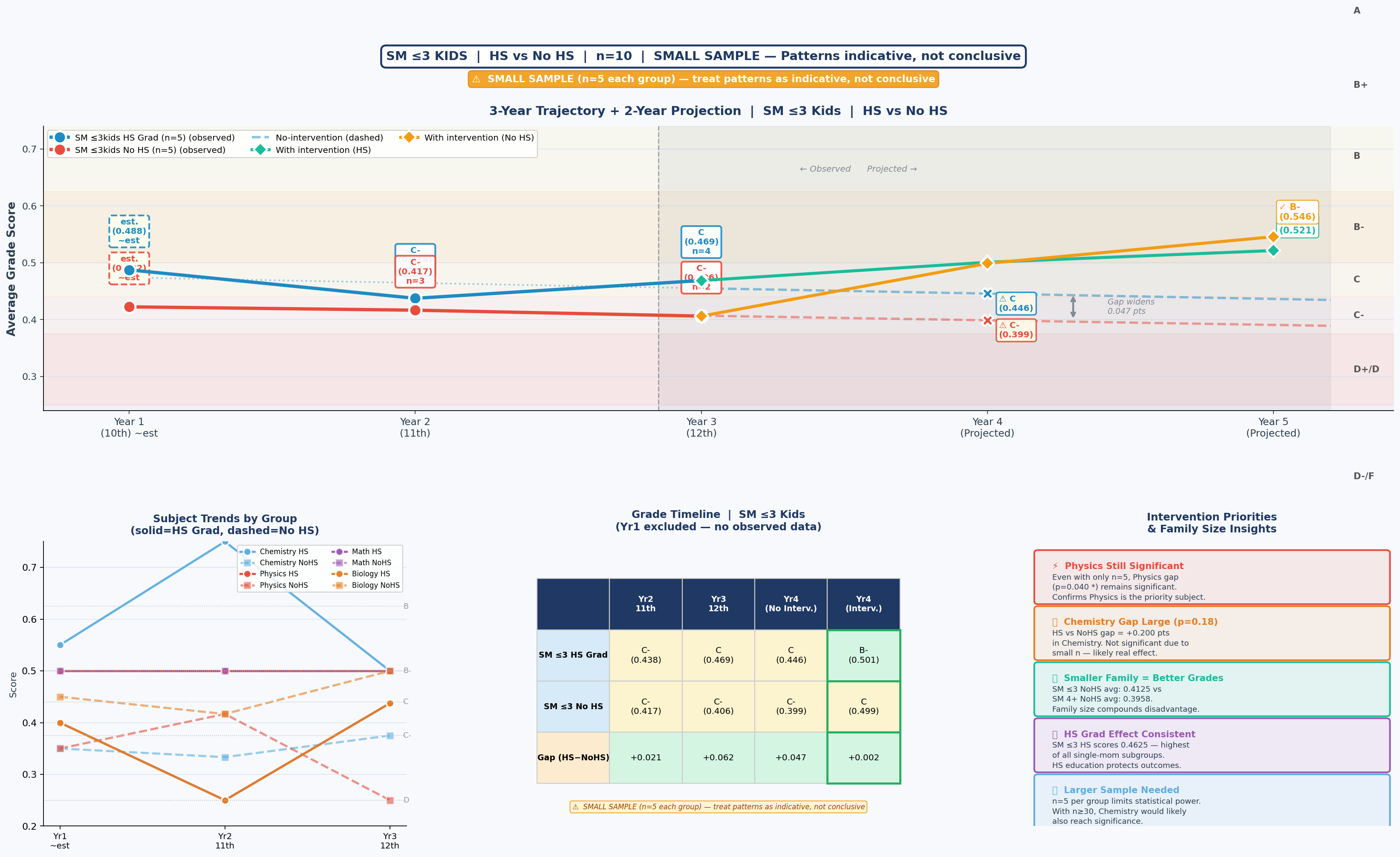
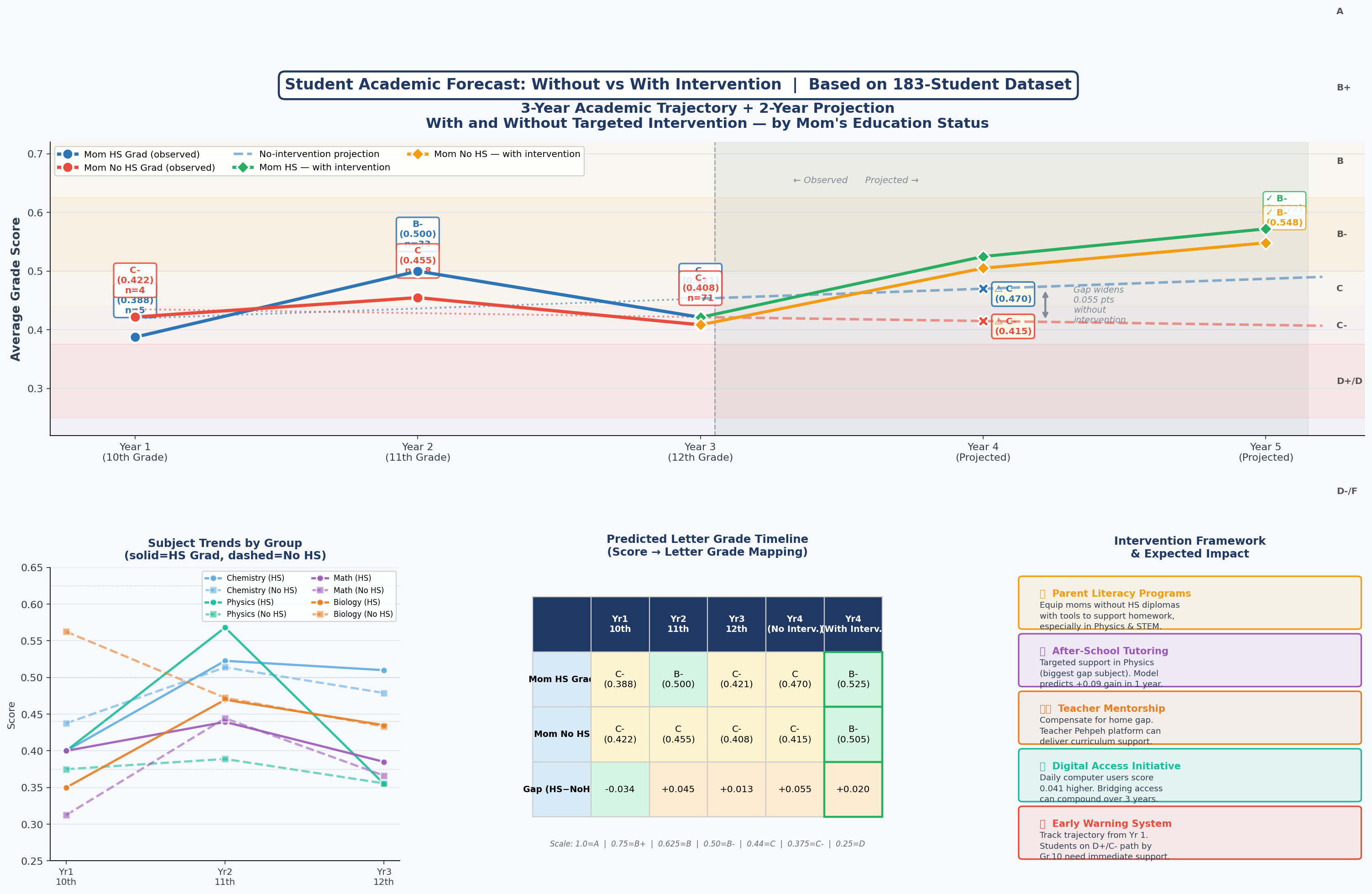
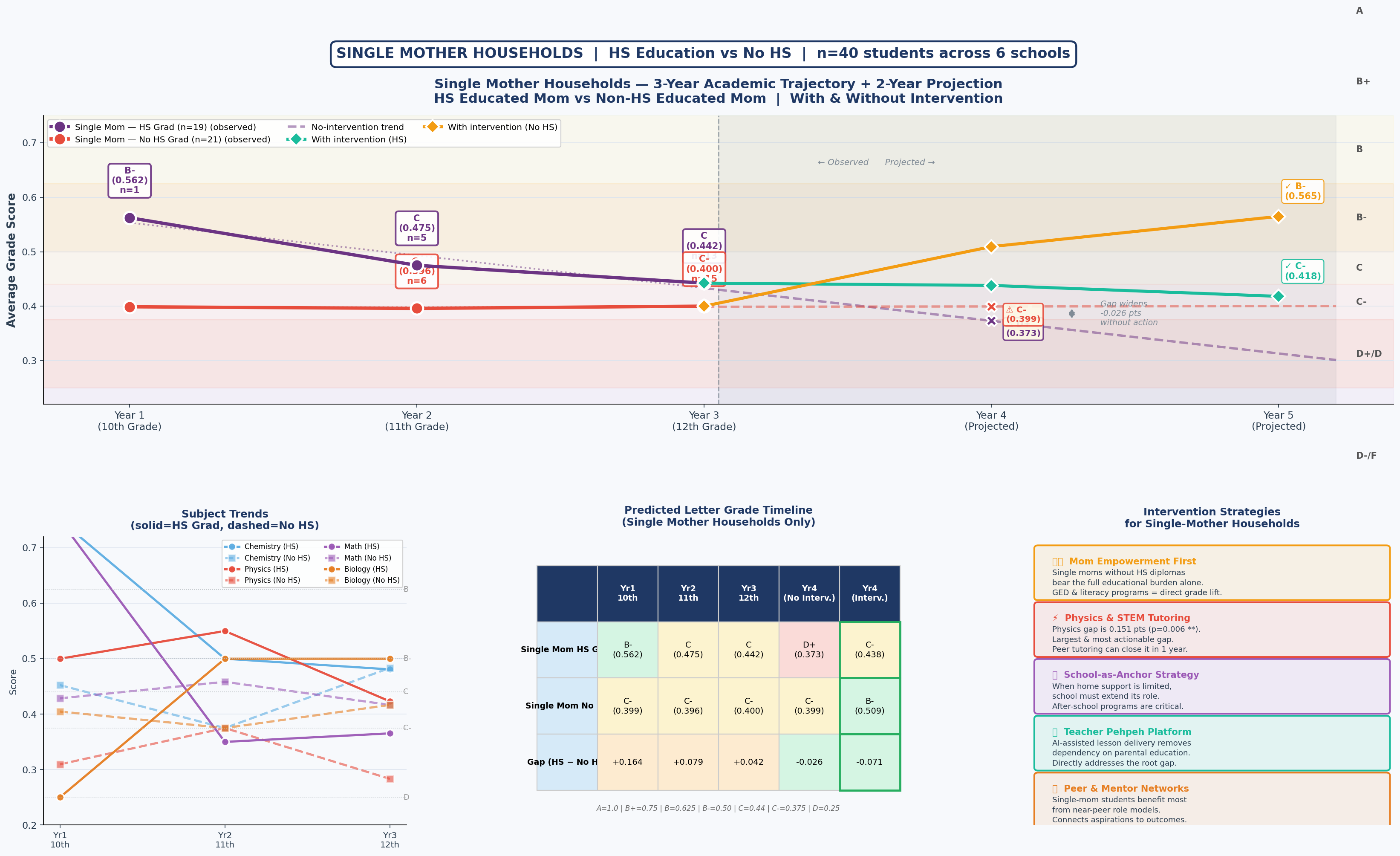
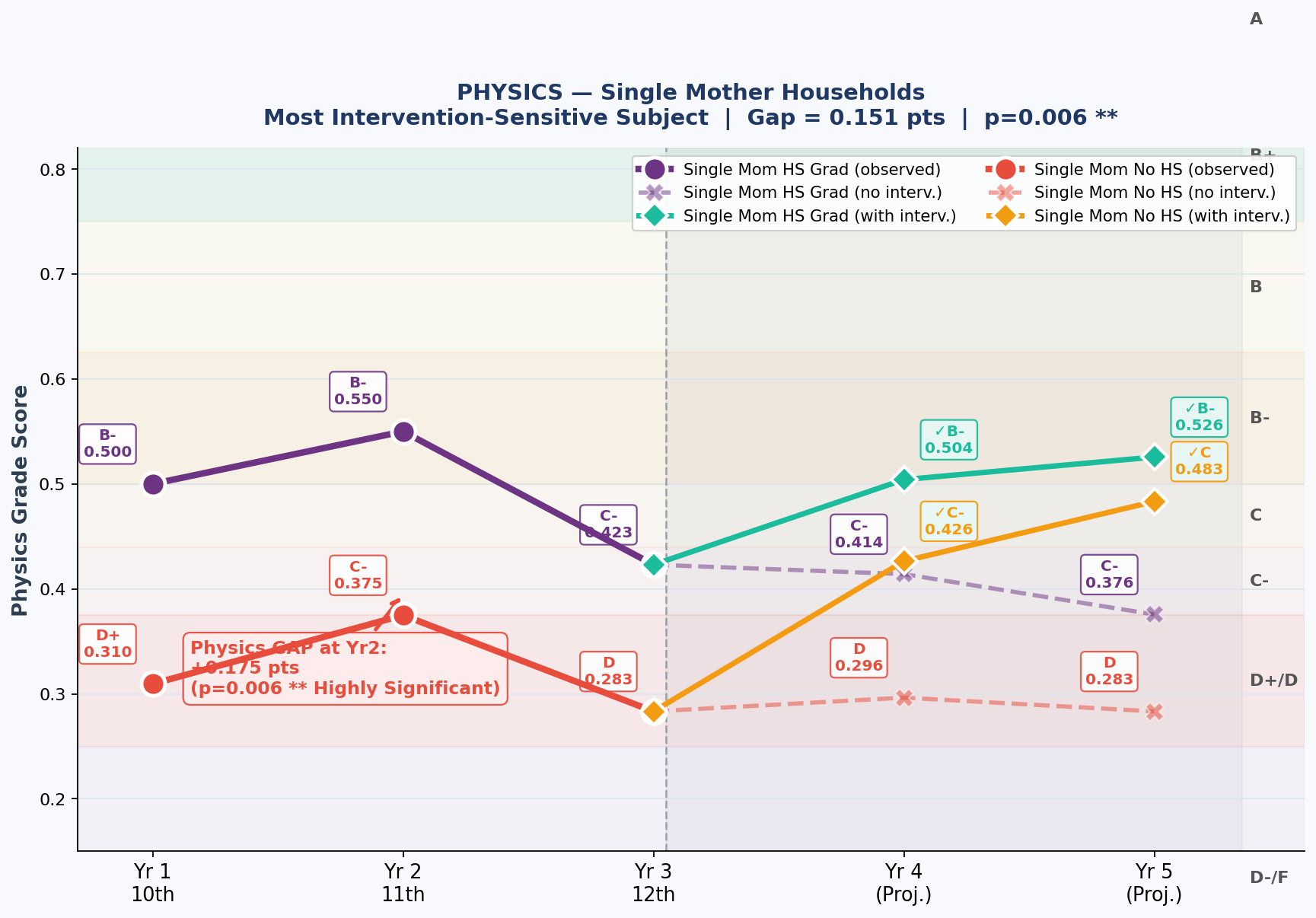
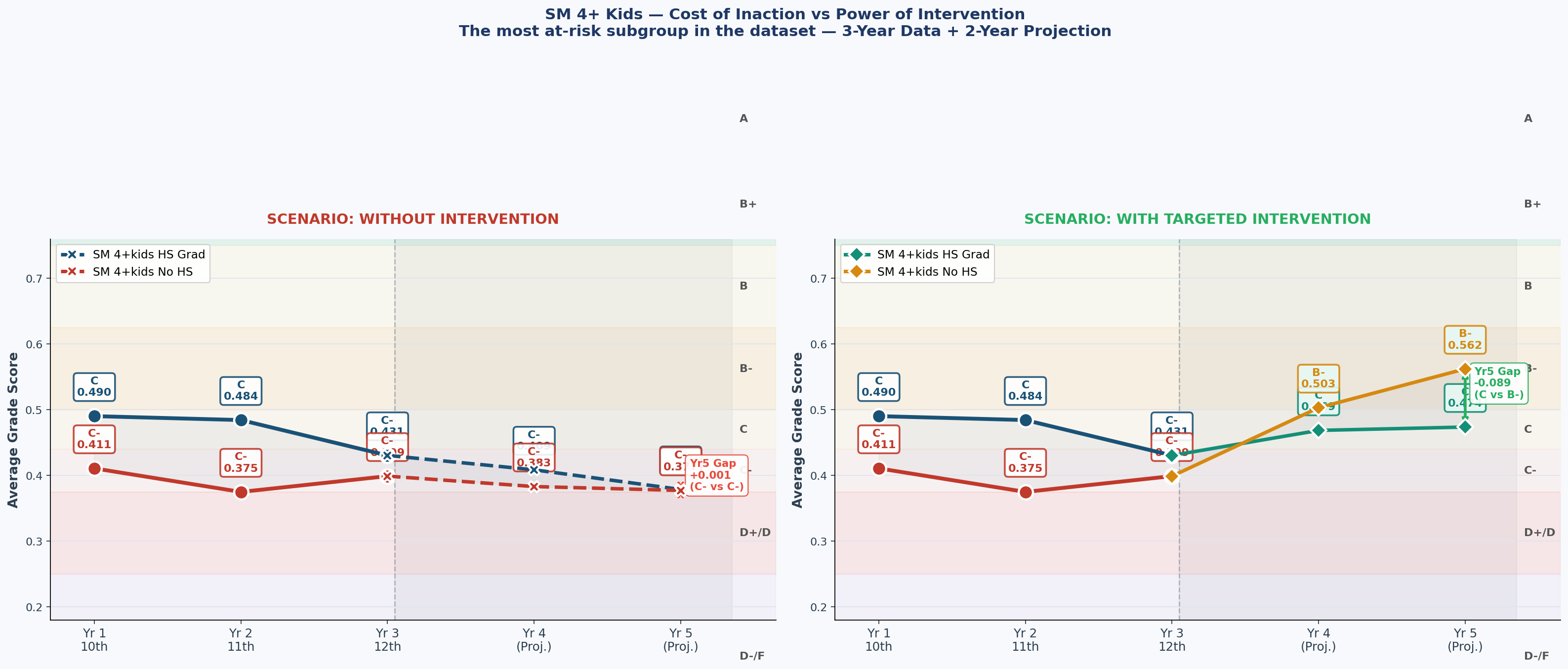
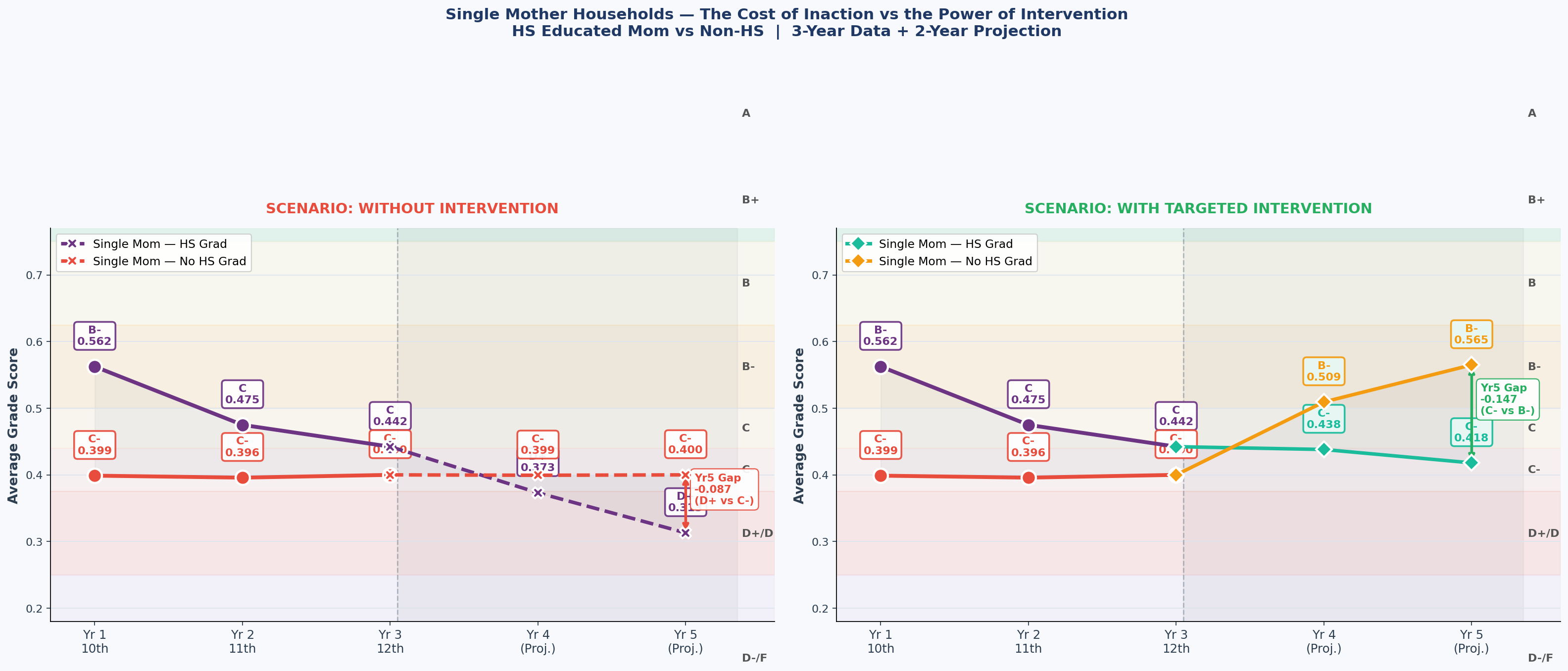
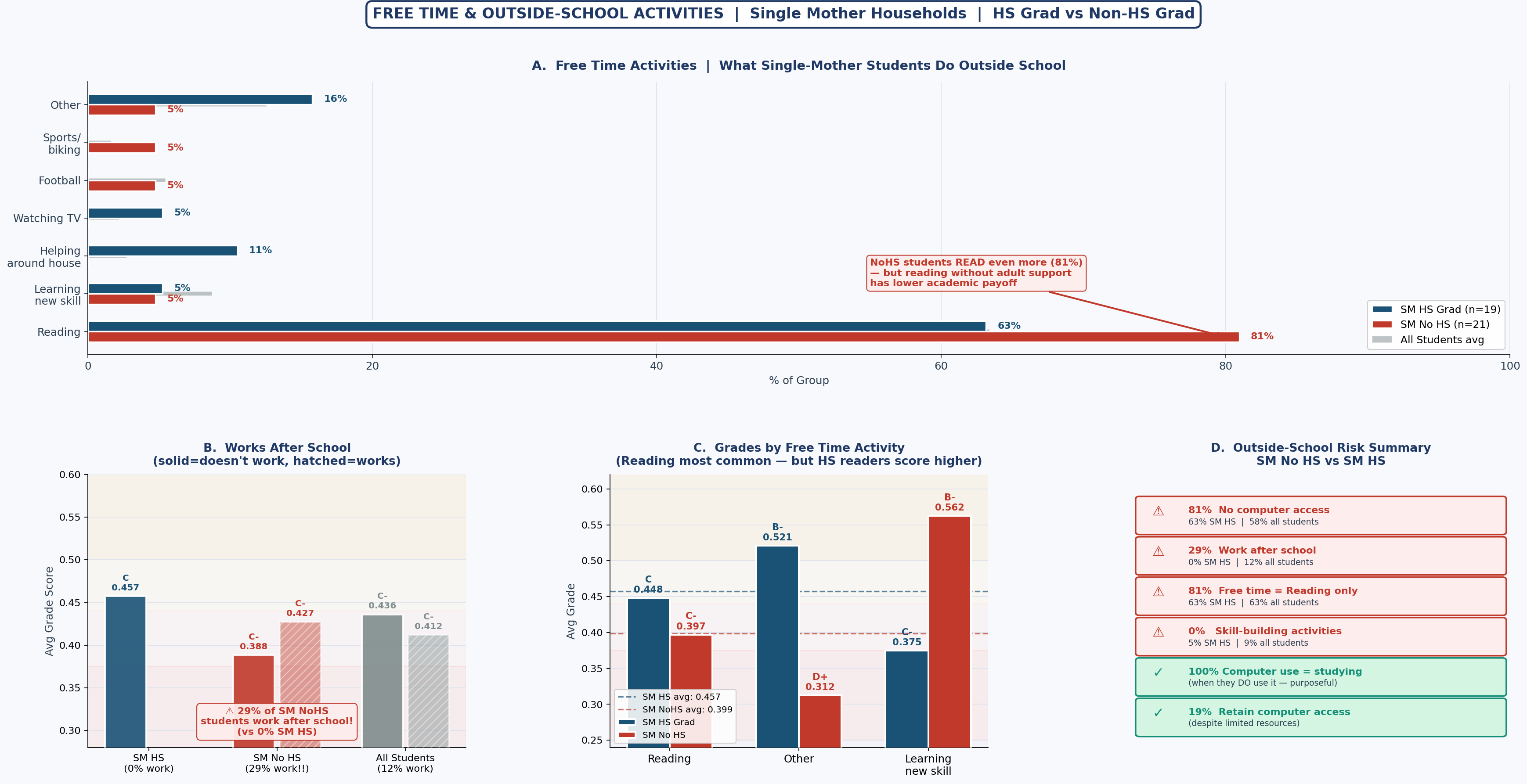
Empirically measure and statistically quantify the contribution of each individual impediment to academic performance — producing evidence, not guesswork.
Use the resulting model to predict how a student will perform before they sit an exam — and intervene early enough to make a difference.
THE RESEARCH
Through years of direct engagement with students and partner schools across Monrovia and beyond, IBT identified and defined seven discrete socioeconomic factors that are measurably correlated with a student's academic performance. These are not assumptions borrowed from Western research — they were derived from data collected in our own classrooms.
Each impediment is tracked, weighted, and fed into our predictive model to generate an individualized learning profile for each student — arming teachers with the context they need before they even call roll.
A restricted English vocabulary directly impairs comprehension across all STEAM subjects. IBT measures vocabulary range as a leading indicator of academic risk.
A mother's own educational attainment is one of the strongest predictors of a child's academic performance. We track this to contextualize student support needs.
Students in large households face greater domestic responsibilities, reduced study time, and higher food insecurity — all of which compound in the classroom.
Limited access to textbooks, writing materials, and reliable electricity creates inequitable starting conditions that teachers must understand to address.
Hunger is a direct barrier to concentration and retention. Students without regular meals show measurably lower engagement and recall rates.
The presence or absence of encouragement — from parents, teachers, and community — has a quantifiable effect on student confidence and academic persistence.
In a digital economy, students with no access to computers or the internet begin every career track at a structural disadvantage — one IBT's labs are built to address.
Biology, Chemistry, Physics, Computer Science, and Mathematics — fully equipped and operational in Sinkor, Monrovia.
A dedicated reading and literacy centre supporting foundational language skills — the bedrock of all STEAM learning.
From Monrovia suburbs to Gbarnga, Bong County — where IBT supported the first fully furnished rural STEAM lab in the region.
Over 2,000 students mentored to date across all partner schools — learning Python, networking, drones, biology, chemistry, and more.
Demonstrating a measurable progression in the number of high school seniors passing the West African Senior School Certificate Examination (WASSCE) with a GPA of B or better — and ensuring at least 90% of graduating seniors pass all STEAM subjects with a B or better.
Beyond basic computer literacy, the goal is to use technology as a medium for accessing courses taught at international standards. Teachers remain in control of daily instruction while online resources serve as powerful supplements — not replacements.
After observing local teachers closely, IBT found that the nuances unique to their teaching style are genuinely effective. Our model preserves those strengths while layering in regular training to enhance skills further — reducing operational costs and avoiding tuition increases for students.
In every 45-minute session, students should be able to articulate: how the subject applies to their daily life; how it connects to a career path; and demonstrate their understanding through an end-of-class assessment. Active participation is not optional — it is by design.
THE NEXT EVOLUTION
Eight years of data collection, classroom observation, and socioeconomic research didn't just produce a teaching model — it produced the training data for something far more powerful.
Teacher Pehpeh is IBT's proprietary AI system, trained on that locally generated data and designed specifically for teachers working in resource-scarce environments across Sub-Saharan Africa. It does not offer generic advice. It speaks to the specific realities of Liberian classrooms — the vocabulary gaps, the household pressures, the material constraints, the cultural context — because it was built from inside those classrooms.
ACTIVE RESEARCH
In partnership with Virginia Commonwealth University's Department of Sociology, IBT is currently running a pilot study to evaluate the real-world effectiveness of Teacher Pehpeh in classrooms across Monrovia and Nimba County. Funded by VCU and led by Dr. Jamie Cage, the study employs a mixed-method design — combining qualitative teacher interviews with quantitative classroom outcome data.
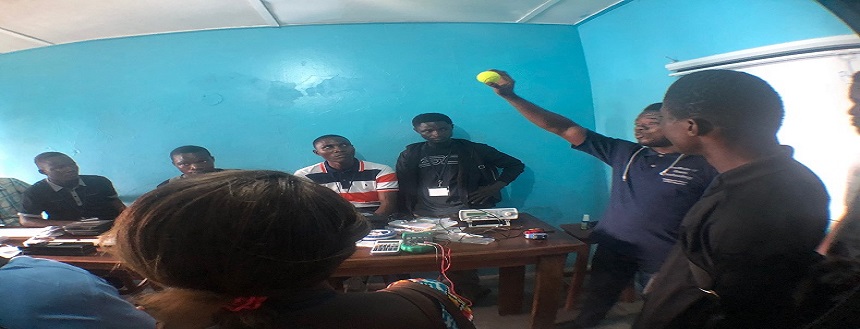
Participating teachers receive intensive hands-on training, devices preloaded with Teacher Pehpeh, and ongoing support. The findings will inform how IBT scales the AI tool across Liberia and eventually across Sub-Saharan Africa.
✓ Free teacher training on AI integration
✓ Devices preloaded with Teacher Pehpeh
✓ AI-powered lesson planning support
✓ Qualitative & quantitative research design
✓ Culturally grounded implementation
✓ Findings to guide national scaling
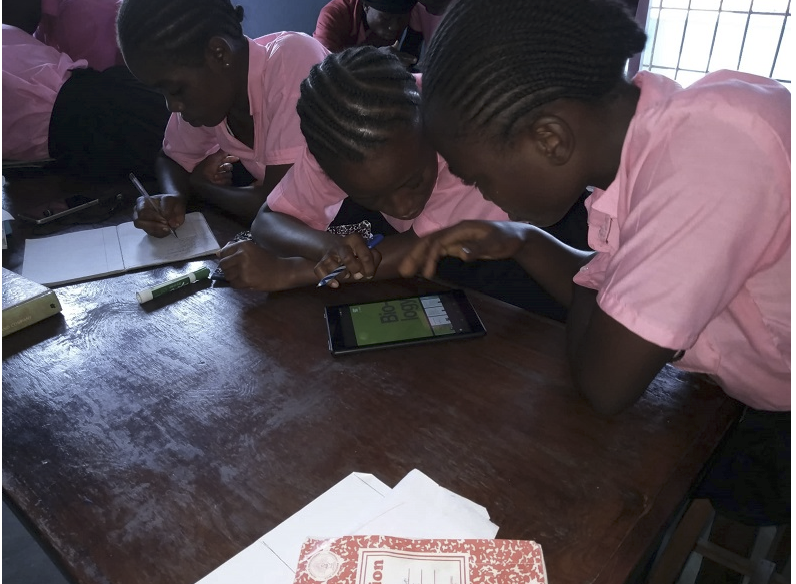
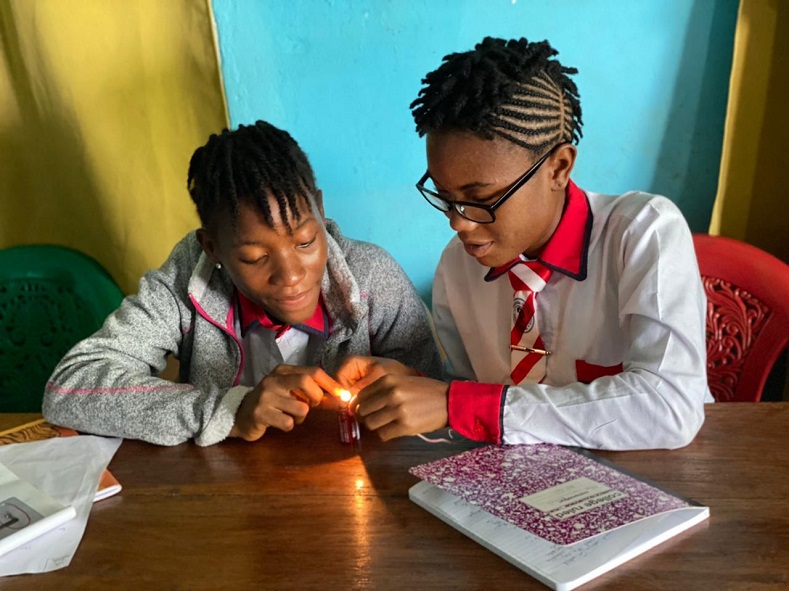
Students in Monrovia engaging with Teacher Pehpeh
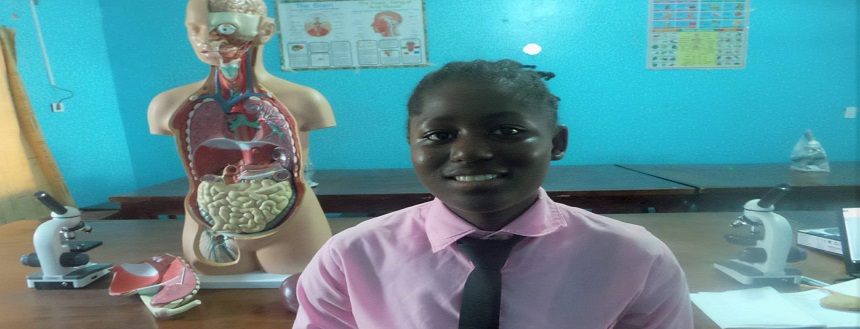
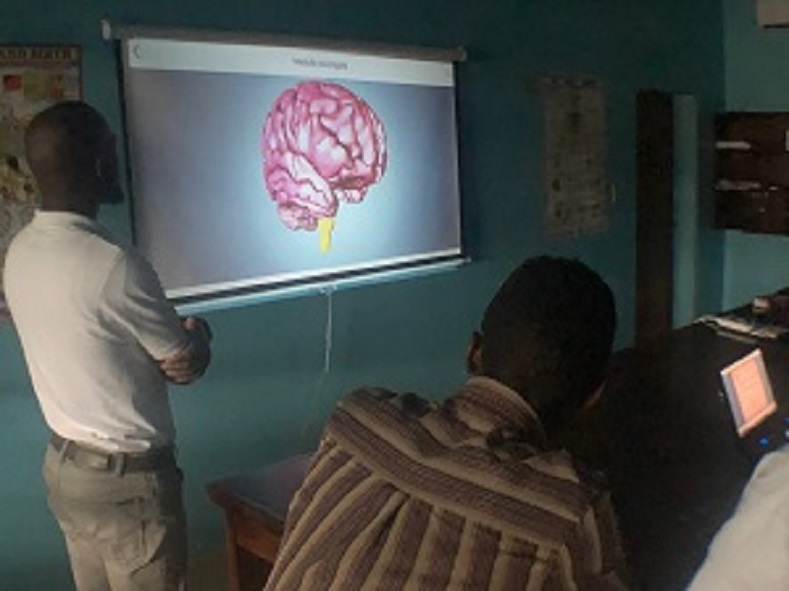
Microscope-based lab work, cell biology, and human anatomy taught by University of Liberia mentors.
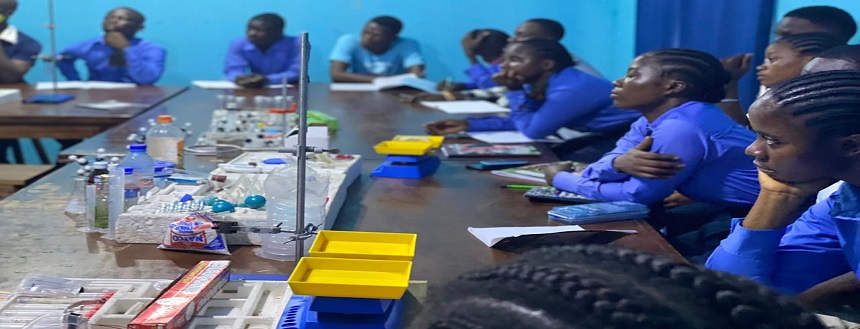
Practical lab experiments covering organic and inorganic chemistry with hands-on materials.
Applied physics including mechanics, electricity, and optics with real demonstrations.
Beyond rote mechanics — students learn the language and application of math to real careers and daily life.
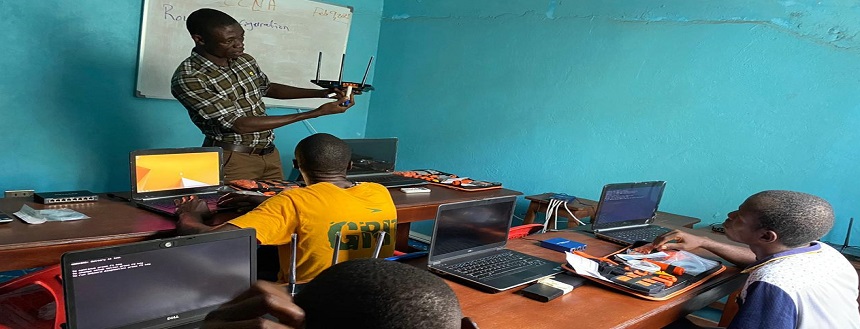
Python programming, network fundamentals, system troubleshooting, and drone operation coding.
A dedicated literacy centre addressing vocabulary gaps — one of the strongest predictors of academic underperformance.
Our podcast Contextualizing STEM Education in Liberia, West Africa features the students, teachers, and professionals at the heart of this work — including episodes on predicting learning outcomes with algorithms, trauma in education, rural access to STEM, and more.