IBT Institute of Basic Technology
Next Teaching Model

2,000+

Students Mentored

10+

Partner Schools

5

STEAM Labs

10+

Years of Impact

OUR MISSION

The Institute of Basic Technology (IBT) is a 501(c)(3) nonprofit dedicated to transforming education in under-resourced communities through Science, Technology, Engineering, the Arts, and Mathematics (STEAM). What began as a hands-on lab model in Liberia, West Africa has evolved into an AI-powered educational platform — built on over 8 years of real classroom experience — designed to empower teachers and students across Sub-Saharan Africa and beyond.

Our goal remains what it has always been: ensure that every child, regardless of their economic circumstances, has access to a quality education. Today, we pursue that goal not just through physical labs, but through intelligent tools that multiply the reach and impact of every teacher we support.

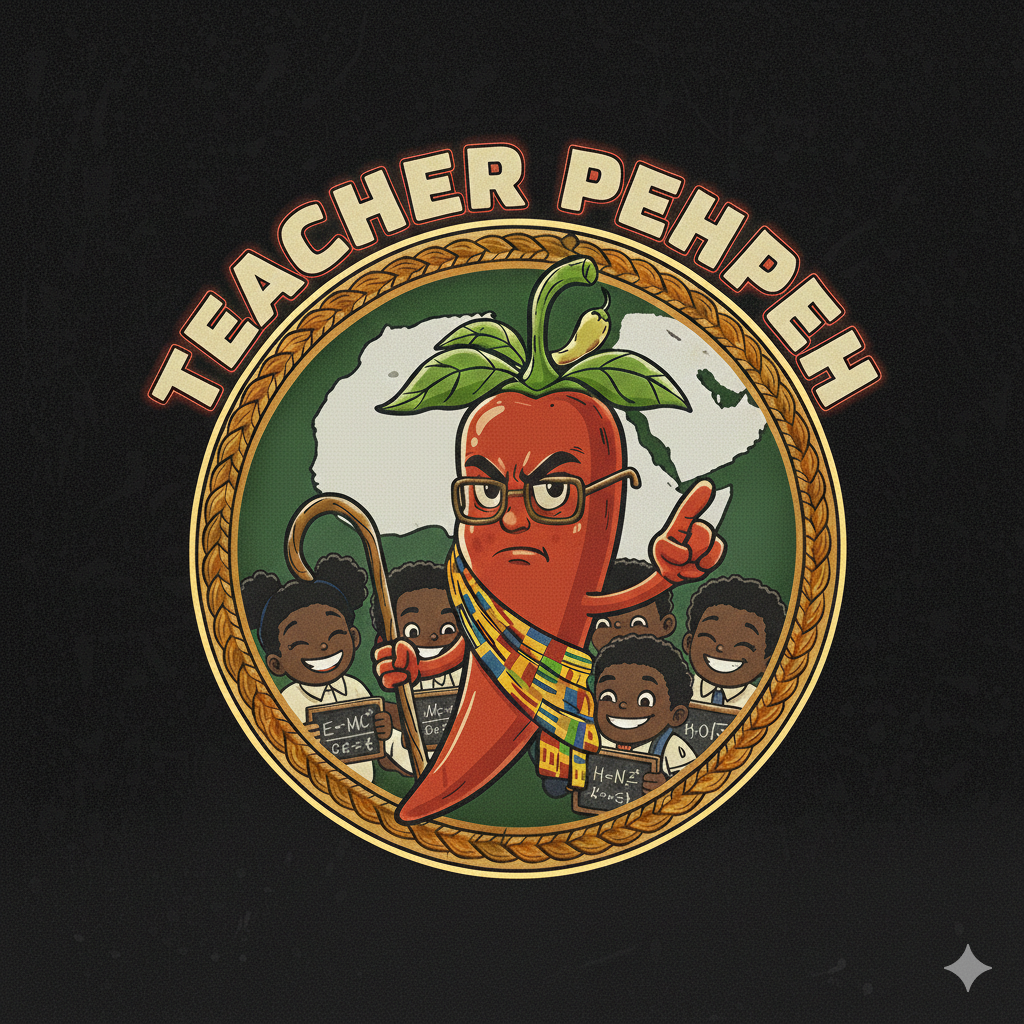
Teacher Pehpeh

Every African student knows a Teacher Pehpeh. The strict one. The demanding one. The one who wouldn't let you off easy — not because they were harsh, but because they believed in you more than you believed in yourself. In Liberia, students gave this name — Pehpeh, the Liberian word for pepper — to teachers who brought the fire: disciplinarians driven by a deep, unshakeable passion for their students' success.

Teacher Pehpeh is a culturally contextualized generative AI system designed to support secondary school teachers working under conditions of chronic resource scarcity. Developed by the Institute of Basic Technology and trained on eight years of locally generated educational data, Teacher Pehpeh reflects Liberian sociocultural norms, student socioeconomic realities, and the material constraints that shape everyday classroom practice.

This is what Teacher Pehpeh puts in every teacher's hands:

  • Reduce Admin Time — Mass grading at scale, freeing teachers to focus on what matters most: their students.
  • Tailored Student Feedback — Feedback that considers each student's study habits, available time, and resources outside of school — not a one-size-fits-all comment.
  • Content Curation — Helps teachers find, filter, and organize the right materials for their specific curriculum and classroom context.
  • Simplify the Complex — Re-explains difficult or esoteric concepts in language that meets students where they are, culturally and academically.
  • Lesson Planning & Research — Generates structured, curriculum-aligned lesson plans and conducts background research so teachers spend less time preparing and more time teaching.

This is not a generic AI tool adapted for Africa as an afterthought. Teacher Pehpeh was built from the ground up — by educators who have stood in those classrooms, taught those students, and understand that context is not a footnote. It is everything.

For the teacher who stays late. For the student who keeps showing up.
Teacher Pehpeh is in your corner.

WHAT WE DO

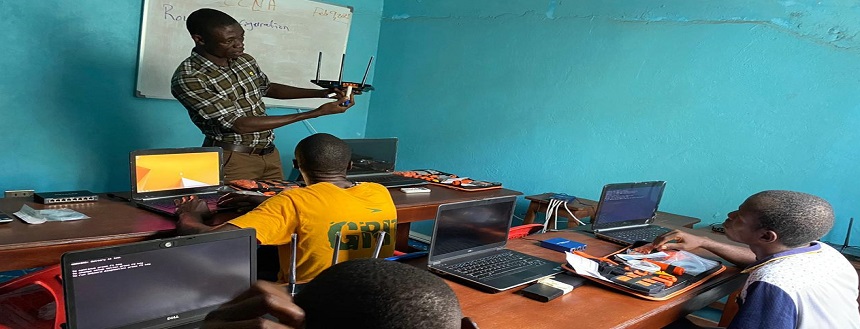
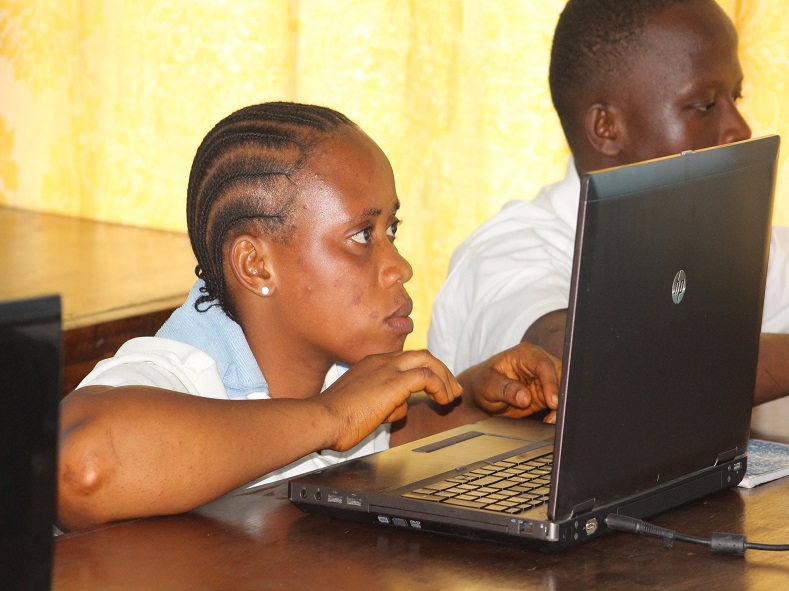
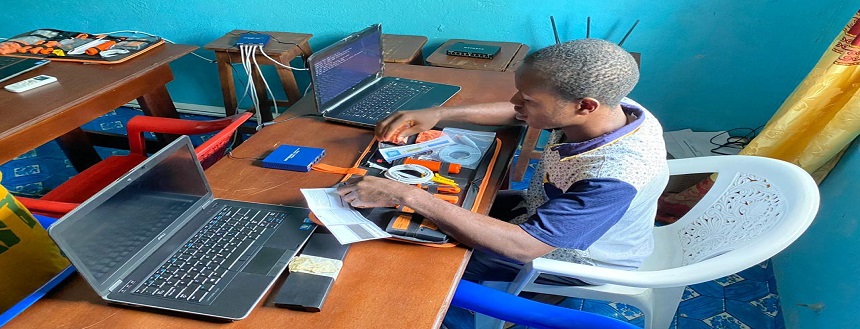
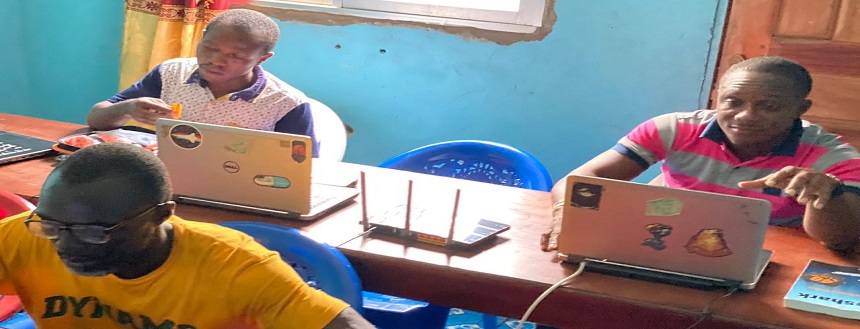
IBT students at computers in Liberia

STEAM Labs

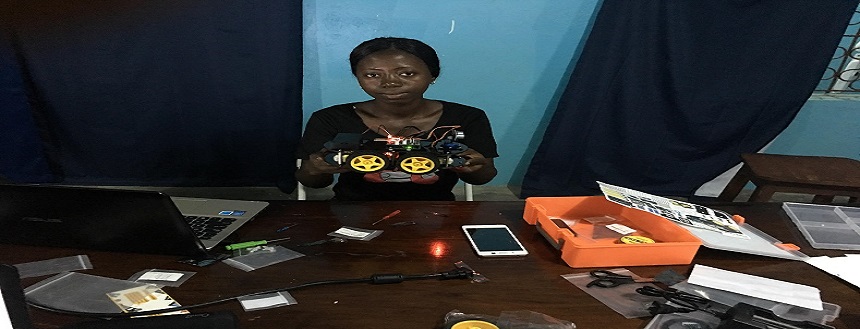
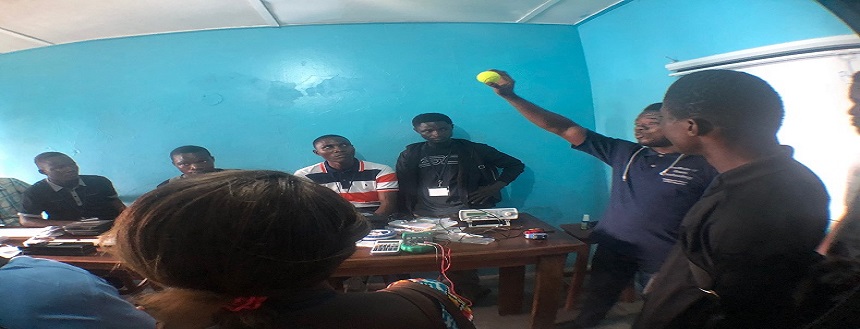
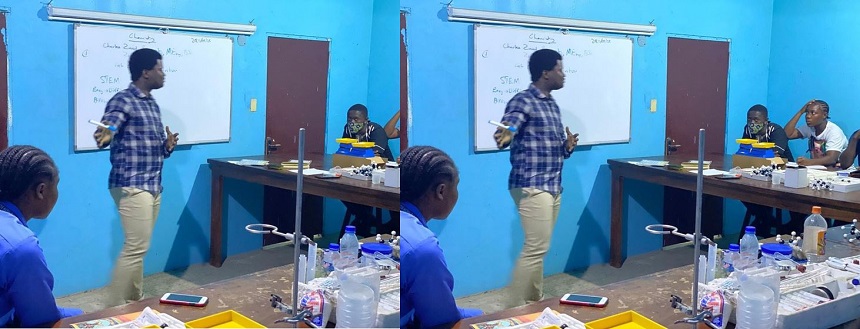
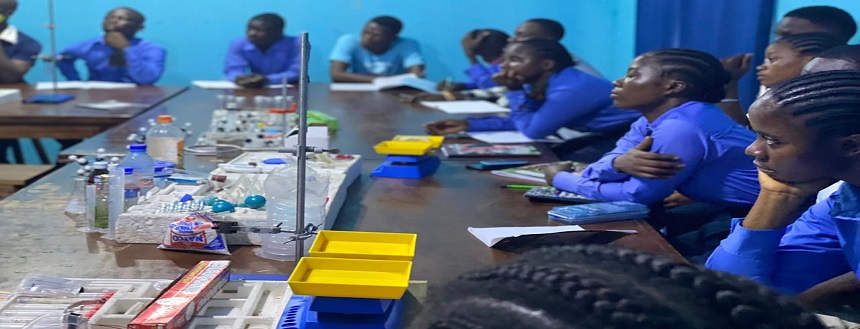
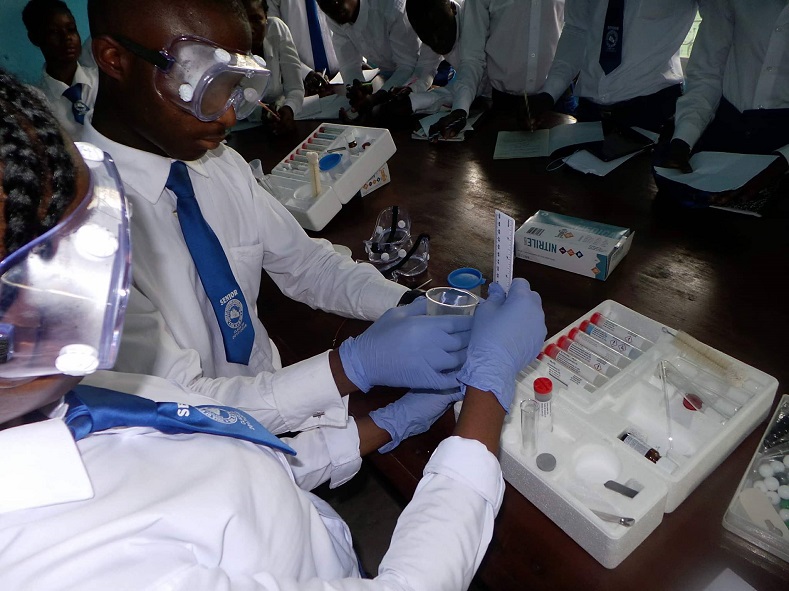
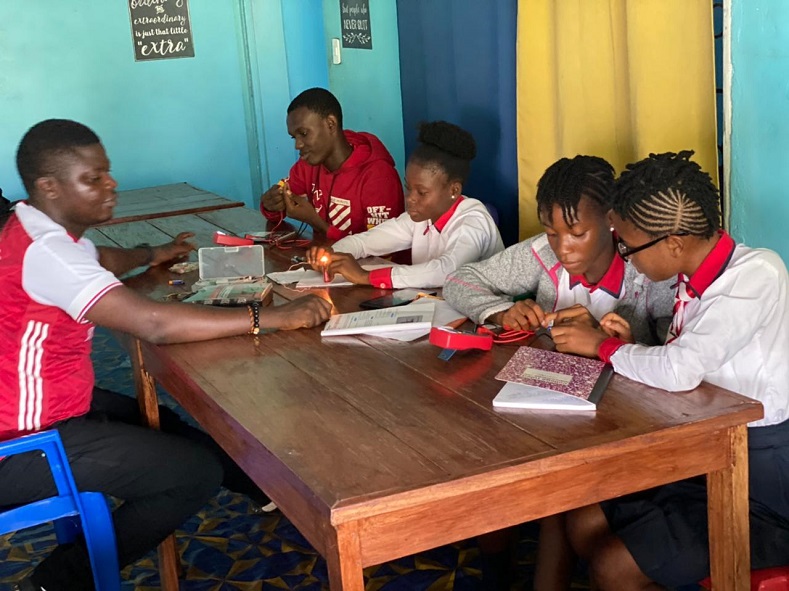
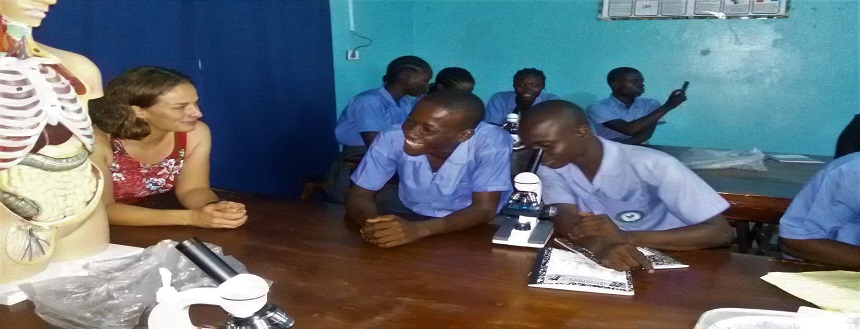
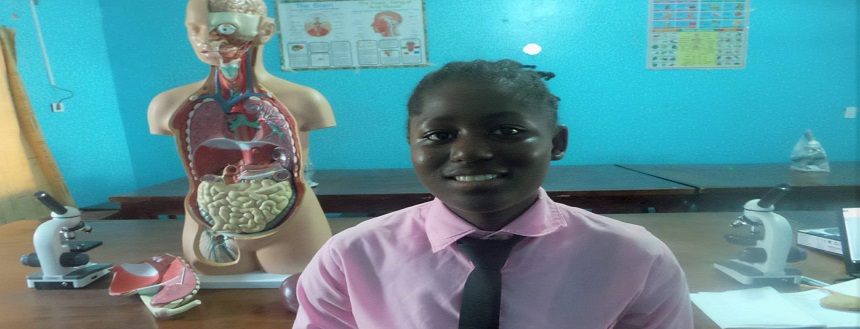
We operate hands-on Science, Technology, Engineering, Arts, and Math labs serving high schools in Liberia — giving students access to equipment, mentors, and real-world skills their schools cannot provide.
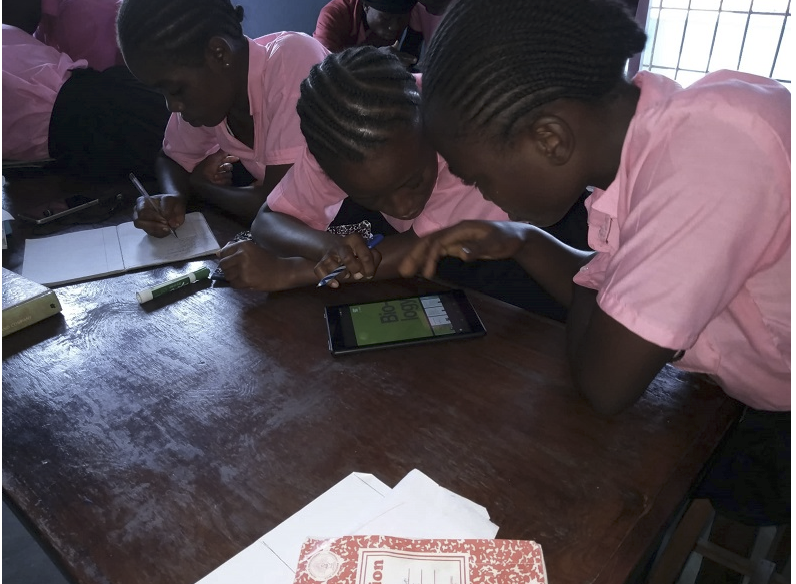
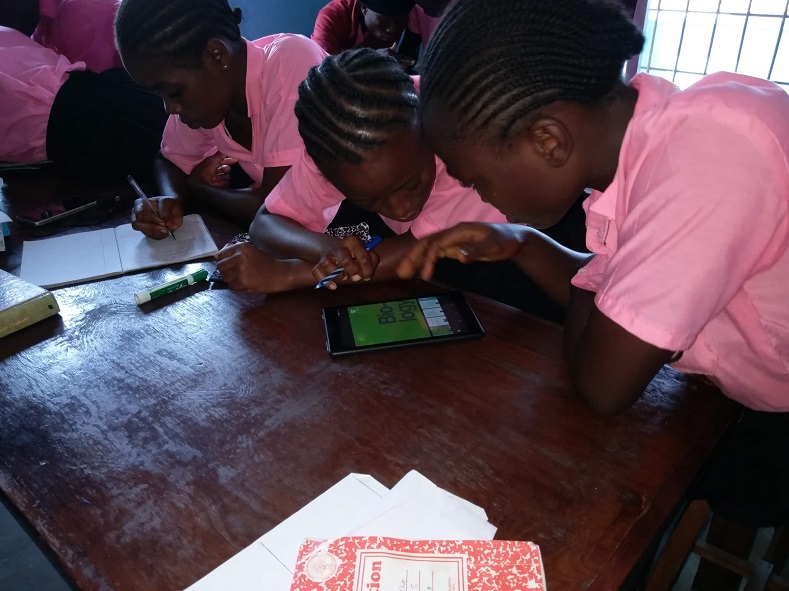
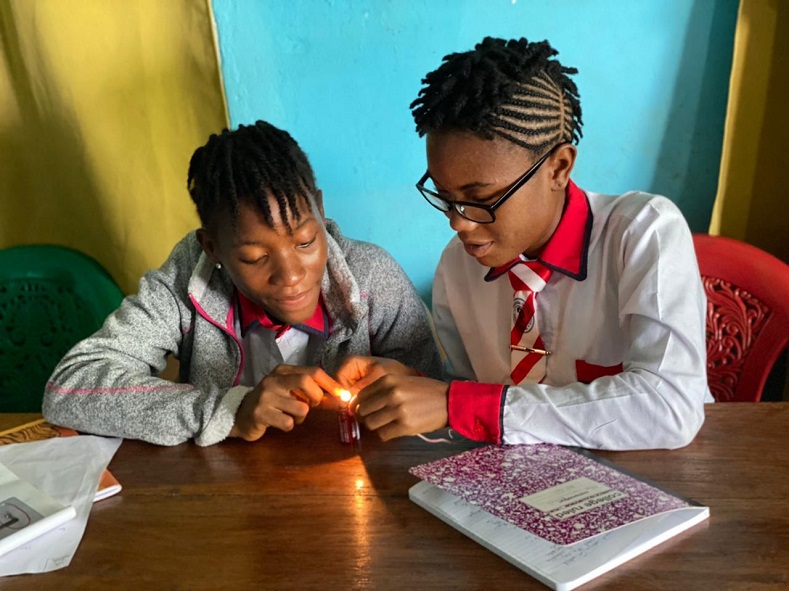
IBT students in pink uniforms collaborating on a tablet

Contextually & Culturally Aware AI — Teacher Pehpeh

Teacher Pehpeh is not a generic tool adapted for Africa as an afterthought. Built on 8 years of locally generated data and trained on Liberian sociocultural norms, it generates curriculum-aligned content that actually reflects the classrooms it serves.

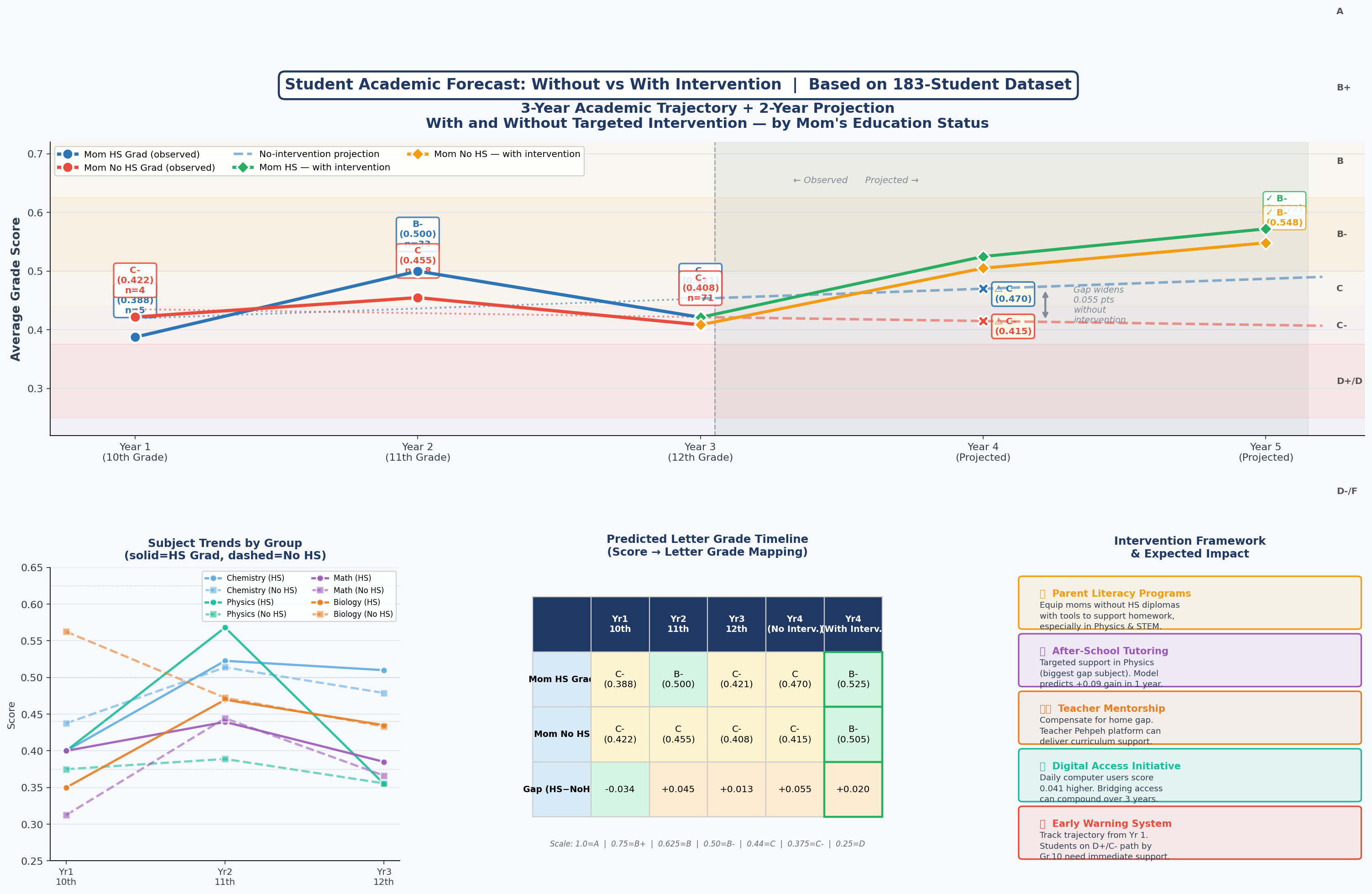
Overview of Senior Students Socioeconomic Background — IBT Research Data

Predictive Teaching Model

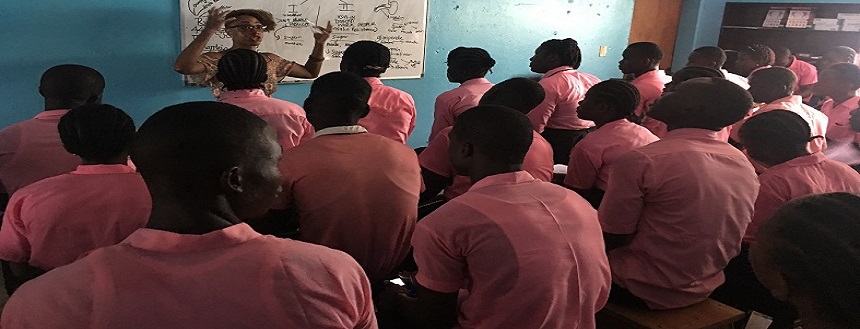
IBT pioneered a data-driven teaching model that uses measurable indicators to predict and improve student learning outcomes — helping schools identify who needs support before they fall behind.
LATEST NEWS

February 2026
Introducing Teacher Pehpeh — AI-Powered Support for Every Classroom

IBT launches Teacher Pehpeh, an AI platform designed to help teachers in under-resourced communities create lesson plans, exams, and parent communications instantly.

Read More →
March 2025
IBT & VCU Partner to Transform Education in Liberia with AI!

The Institute of Basic Technology and Virginia Commonwealth University announce a groundbreaking partnership — funded by the VCU Department of Sociology — to pilot Teacher Pehpeh in schools across Monrovia and Nimba County, equipping educators with AI tools tailored to Liberia's educational context.

Read More →
February 2023
BEYA Science Spectrum Trailblazer — IBT Recognized for STEM Impact

Rodney Bollie accepted the BEYA Science Spectrum Trailblazer award on February 16, 2023, for his work mentoring over 2,000 students from Liberian high schools.

Read More →

Introducing Teacher Pehpeh — AI-Powered Support for Every Classroom

The Institute of Basic Technology officially launches Teacher Pehpeh — a culturally contextualized generative AI platform built from eight years of locally generated educational data in Liberia, West Africa.

🌶 What It Does
  • Generates WASSCE-aligned lesson plans instantly
  • Drafts parent communication letters
  • Provides mass grading support at scale
  • Re-explains complex concepts in culturally relevant language
  • Queries Claude, ChatGPT, and Gemini simultaneously
🎯 Who It's For
  • Secondary school teachers in under-resourced communities
  • Schools operating under chronic resource scarcity
  • Teachers across Sub-Saharan Africa and beyond
  • Any educator who needs intelligent, context-aware AI support
✨ Why It's Different

Teacher Pehpeh is not a generic AI tool adapted for Africa as an afterthought. It was built from the ground up — by educators who have stood in those classrooms and understand that context is not a footnote. It is everything.

Learn more about the Teaching Model →

IBT & VCU Partner to Transform Education in Liberia with AI

The Institute of Basic Technology (IBT) and Virginia Commonwealth University (VCU) are excited to announce a groundbreaking partnership to launch an AI-powered pilot project aimed at enhancing classroom learning in Liberia, funded by the VCU Department of Sociology.

🏫 What's in Store for Teachers
  • Free intensive, hands-on training to integrate AI into teaching
  • Devices preloaded with Teacher Pehpeh for seamless classroom use
  • AI-powered lesson planning & personalized instruction tailored to students' socio-demographic backgrounds
  • Local knowledge integration, ensuring AI complements Liberia's educational context
  • Innovative teaching strategies empowering educators to engage students in new ways
📊 Research & Impact
  • Mixed-method study combining qualitative interviews and quantitative surveys
  • Evaluating the feasibility and effectiveness of AI in classrooms
  • Gathering insights to refine and scale AI-driven learning across Liberia
✨ Why This Matters

AI isn't replacing teachers — it's empowering them. With Teacher Pehpeh, educators gain access to AI-assisted lesson planning, real-time student support, and culturally relevant teaching tools that bridge gaps and enhance the classroom experience.

Thanks to Dr. Jamie Cage and the VCU Department of Sociology's support, IBT is taking a bold step toward reshaping education in Liberia with AI-powered solutions.

BEYA Science Spectrum Trailblazer — IBT Recognized for STEM Impact

On February 16, 2023, Rodney Bollie was honored with the BEYA Science Spectrum Trailblazer Award — one of the most prestigious recognitions in STEM — for his decade of work mentoring over 2,000 students from Liberian high schools.

🏆 About the Award
  • Presented at the BEYA STEM Conference
  • Recognizes trailblazers in science, technology, and education
  • One of the most prestigious STEM honours in the United States
  • Awarded for sustained community impact and mentorship
🎓 The Impact Behind the Award
  • 2,000+ Liberian students mentored
  • 10+ partner high schools across Monrovia
  • Programs in Python, networking, biology, and drones
  • Built from a personal mission after surviving Liberia's civil war
📰 Coverage

MITRE featured Rodney's story — from escaping civil war to building IBT — as an impact story on their platform.

Read the MITRE feature →

OUR STORY

IBT was born from a deeply personal mission. Co-founders Rodney and Dr. Sylvia Bollie — both Liberian-Americans who lived through the country's devastating civil war — saw firsthand what 13 years of conflict had done to the educational system. In 2007, Sylvia volunteered teaching Biology at the University of Liberia and led a campaign to ship thousands of textbooks to the country. By 2013, they were providing scholarships and direct mentorship to high school students striving for academic excellence.

The crisis point came when 25,000 students failed the University of Liberia entrance exams in a single year. That moment made clear that donations alone would not fix a broken system. IBT was formally incorporated in 2015, and by 2017 the first STEAM lab was open in Sinkor, Monrovia. Since then, IBT has mentored over 2,000 students across 10+ schools — introducing them to Python programming, computer networking, drones, and biology — earning a BEYA Science Spectrum Trailblazer award on February 16, 2023, in recognition of that impact.

What IBT learned from nearly a decade of running labs changed how we think about education. The most powerful variable isn't equipment — it's the teacher. An empowered, well-supported teacher multiplies outcomes for every student in the room. That insight drove us to build Teacher Pehpeh: an AI assistant designed to give every teacher — even in the most under-resourced school — the tools, content, and support they need to thrive.

Today IBT operates at the intersection of STEAM education, artificial intelligence, and community development — scaling a proven model from Liberia to reach classrooms across Sub-Saharan Africa and the broader African diaspora.

Our Teaching Model Lab Tour

Hear the Research in Their Own Words

Our podcast Contextualizing STEM Education in Liberia, West Africa features the students, teachers, and professionals at the heart of this work — including episodes on predicting learning outcomes with algorithms, trauma in education, rural access to STEM, and more.

Next Teaching Model